

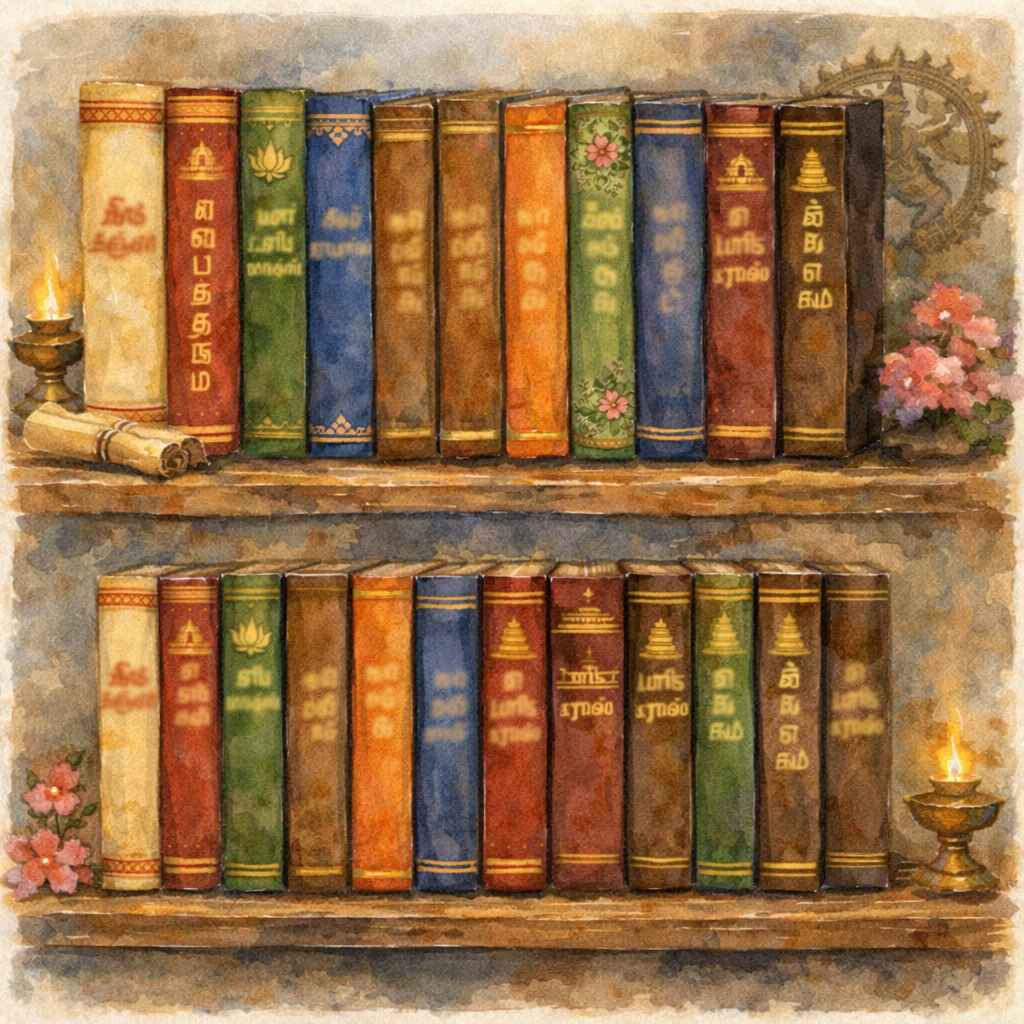
As part of the Tamil Language Festival 2026, the Singapore Tamil Youths’ Club (STYC) will organise its Annual Conference Seminar on 28 March, focusing on Tamil books published in Singapore between 1965 and 2025. The initiative aims to recognise the rich body of Tamil literary works produced locally while encouraging the community – especially younger readers – to rediscover and engage more deeply with them.
The conference will centre on the Singapore Tamil literary journey in the decades following independence, highlighting the writers, themes and ideas that have shaped the community’s cultural and intellectual life.
Essay Competition and Seminar
Participants in the conference – comprising youths and members of the public – will select a Tamil book published in Singapore during this six-decade period, read it closely, and present their reflections through an essay and a short presentation before a panel of speakers and conference delegates.
The initiative is designed to foster critical engagement with locally published works while creating a platform where readers can discuss and interpret the themes found in Singapore Tamil literature.
Addressing Declining Readership
Conference Chairperson Mr Pranaven Sivalingam explained that the initiative was partly motivated by concerns about declining engagement with Tamil literary works within the community. He noted that “over the years there has been a steep drop in the readership and appreciation of Tamil books written in Singapore”, observing that many Tamil Singaporeans tend to move away from reading and writing in the language once they complete their schooling.
The conference therefore aims to encourage participants to rediscover locally written works, analyse their ideas and narratives, and share their perspectives with fellow readers and scholars.
Although readership remains relatively modest – similar to patterns seen across other literary communities – the depth of scholarship and research into Singapore Tamil literature has grown steadily, with academics and researchers documenting its development and influence.
Six Decades of Literary Development
The focus on books published between 1965 and 2025 reflects the evolution of Tamil writing in Singapore during the nation-building years. Across the decades, authors have explored themes ranging from devotion and cultural identity to social change and nationhood.
Although readership remains relatively modest – similar to patterns seen across other literary communities – the depth of scholarship and research into Singapore Tamil literature has grown steadily, with academics and researchers documenting its development and influence.
Inspiring Future Writers
Encouraging younger Singaporeans to read local Tamil literature is a key objective of the conference. As Mr Pranaven noted, if the younger generation can be encouraged to read and appreciate these works, “the population of readers will increase”, and among them some may eventually go on to write their own books in Tamil.
In this way, the conference hopes not only to recognise past literary achievements but also to nurture the next generation of writers.
To reward thoughtful engagement with these works, the conference will award $100 prizes to the 40 best essays submitted by participants. The prizes are intended to encourage deeper reading and critical reflection on Singapore Tamil literature.
|
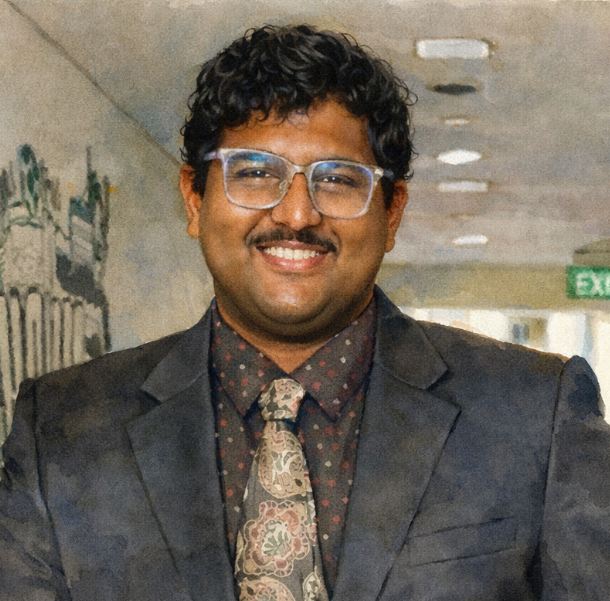 STYC Conference Chairperson Pranaven Sivalingam |
A Living Literary Ecosystem
Tamil literary activity in Singapore continues to be vibrant. According to Sivalingam, Tamil writers in Singapore collectively publish around one book a week on average, demonstrating that the creative tradition remains active even as readership patterns evolve.
STYC itself has contributed to documenting the community’s history and achievements through several book projects, including the Singapore Tamils 200 series, which chronicles the contributions of hundreds of Singapore Tamils across different sectors.
Mr Pranaven also pointed to how researchers like Dr Sp Thinnappan, Dr Ra Sivakumaran, and Dr Kotti Muruganandam have written books on the evolution of Tamil literature in Singapore. “Though readership is limited it is no different in proportion than the readership for Malay, Chinese and English literature. But the depth of research has increased.”
“The oldest Tamil book published in Singapore has been identified as published in 1872 with some earlier poetry appearing independently in news magazines. The themes have been generally devotional, promoting nationhood and government policies. The books were meant to firmly establish the Tamil language identity in Singapore. Readership is confined to those who regularly attend literary gatherings organised by Tamil writers organisations in Singapore,” he added.
Community Support Needed
To ensure the success of the Conference Seminar, STYC is appealing to members of the community, organisations and supporters of Tamil language and culture to contribute financially to the initiative. Donations will help fund programme operations, evaluation processes and recognition awards for participants.
|
Donations to support STYC’s 2026 Conference Seminar Donations can be made through Pay Now, bank transfer or by cheque to Singapore Tamil Youths’ Club. STYC Bank Name: DBS Bank – SINGAPORE TAMIL YOUTHS’ CLUB STYC Bank UEN Number: UEN S57SS0016BSGC STYC Bank Account Number: 007-007204-0 Address for sending your cheques: Singapore Tamil Youths’ Club, 996 BENDEMEER ROAD, #06-04, B CENTRAL, Singapore, 339944. For details of the Initiative, please contact Mr Pranaven at 94453217 or Ms Varsha at 96488793.  QR Code for Donations to STYC |
About STYC
Founded in 1957, the Singapore Tamil Youths’ Club has long played an active role in promoting Tamil language, culture and community engagement in Singapore. Through initiatives such as the upcoming conference, the organisation hopes to celebrate the achievements of Singapore Tamil writers while inspiring renewed curiosity about the books, ideas and voices that have shaped the community’s literary heritage.
Comment on this Topic