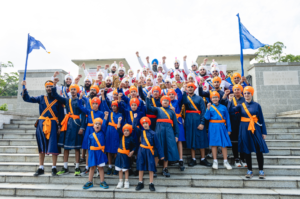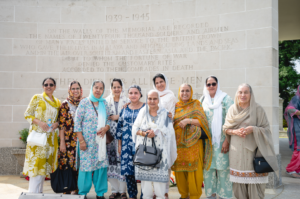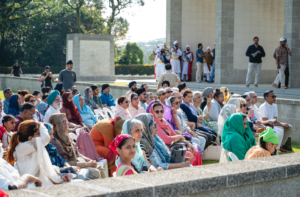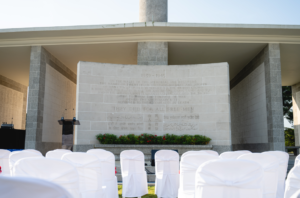



Singapore, 8 February 2026 — A solemn memorial service was held at the Kranji War Memorial to honour soldiers who fought and died defending Singapore and Malaya during World War II, marking both remembrance and a milestone anniversary for one of Singapore’s oldest Sikh institutions.
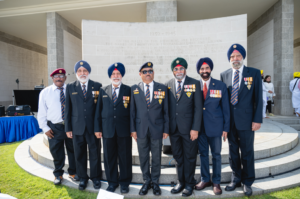
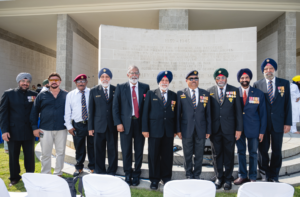
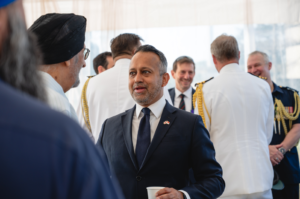
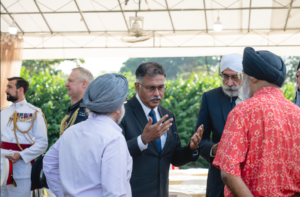
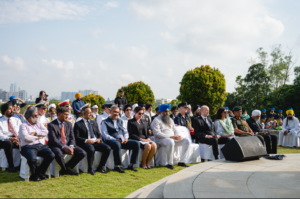
The Remembrance Day Memorial Service, organised by the Pardesi Khalsa Dharmak Diwan (PKDD), brought together diplomats, community leaders and members of the Sikh community to pay tribute to the sacrifices of Sikh servicemen who played a critical role in the defence of the region during the Japanese invasion of 1941–1942.
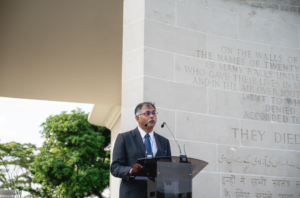
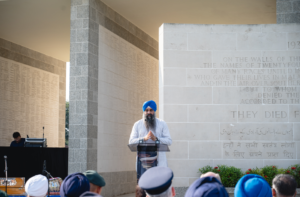
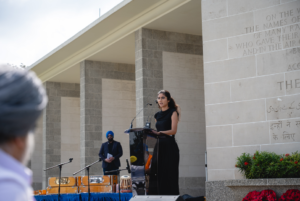
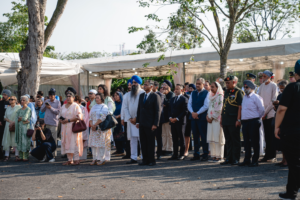
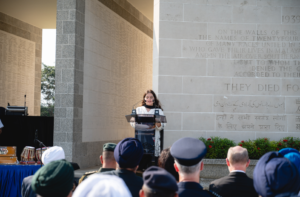
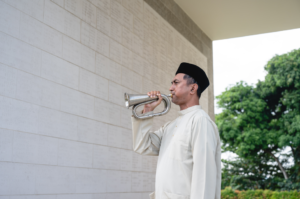
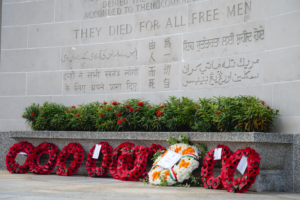
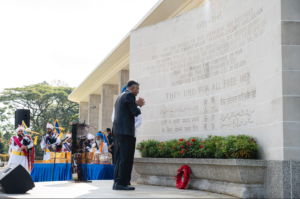
The ceremony, held at the Kranji War Memorial in northern Singapore, included the laying of wreaths, the sounding of the “Last Post”, Sikh prayers, and addresses by dignitaries and community representatives. High Commissioners and representatives from the United Kingdom, Australia, Malaysia, India, New Zealand, Canada and Pakistan were present, reflecting the shared wartime history of Commonwealth nations.
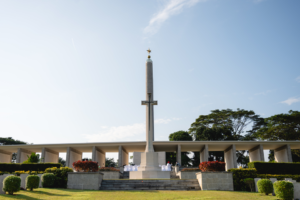
The Kranji War Memorial, where the service was held, commemorates more than 24,000 Allied servicemen who died during the war and have no known grave.
A Forgotten Chapter of Singapore’s Wartime History
Thousands of Sikh soldiers were deployed to Malaya and Singapore as part of the British Indian Army during World War II. They served in frontline combat units, police formations and defensive positions as Japanese forces advanced rapidly down the Malayan peninsula.
Many fought in some of the most intense battles of the Malayan Campaign and the defence of Singapore. Despite being heavily outnumbered and facing logistical challenges, Sikh regiments played a key role in delaying enemy advances and protecting strategic positions.
The Kranji War Memorial, where the service was held, commemorates more than 24,000 Allied servicemen who died during the war and have no known grave. Sikh soldiers are among those remembered there, their contributions forming an integral part of Singapore’s wartime defence.
The memorial service was held on 8 February, a date of particular historical significance. It marks the anniversary of the Japanese landing in Singapore in 1942, which ultimately led to the fall of the island after fierce fighting.
Ceremony Blends Military Tribute with Sikh Tradition
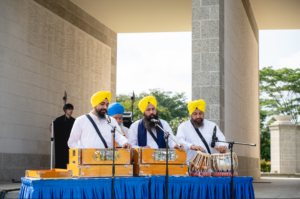
The service combined military remembrance traditions with Sikh religious observances, reflecting both the martial heritage and spiritual identity of the Sikh community.
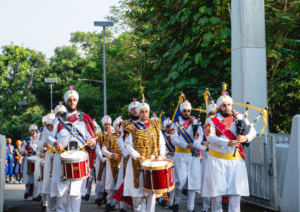
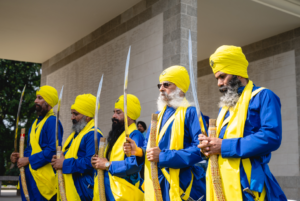
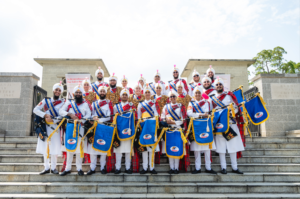
The ceremony began with the arrival of community members and dignitaries, followed by a formal procession led by bagpipers and drums. Wreath-laying was conducted by senior representatives and diplomatic officials, followed by the sounding of the “Last Post”, a traditional military bugle call honouring fallen soldiers. Sikh hymns and Ardas (prayers) were also performed.
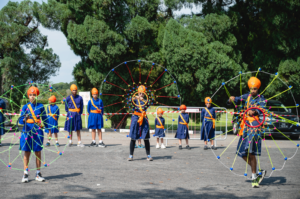
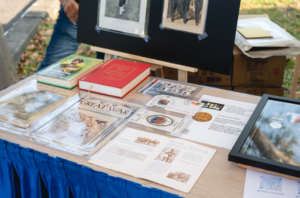
Speeches during the service emphasised the importance of remembrance, sacrifice and historical continuity. The event also featured exhibits of Sikh martial artefacts, highlighting the long military tradition of Sikh soldiers and their contributions across conflicts.
This year’s memorial carried additional significance as it coincided with the 100th anniversary of the Pardesi Khalsa Dharmak Diwan, one of Singapore’s oldest Sikh religious and cultural organisations.
Centenary Milestone for Sikh Institution
This year’s memorial carried additional significance as it coincided with the 100th anniversary of the Pardesi Khalsa Dharmak Diwan, one of Singapore’s oldest Sikh religious and cultural organisations. The centenary underscores the longstanding presence and contributions of the Sikh community in Singapore.
Founded in the early 20th century, the organisation has played a key role in preserving Sikh religious, cultural and historical traditions, while supporting successive generations of Sikhs in Singapore.
The memorial service itself reflects that continuity — connecting present-day community members with the sacrifices of earlier generations who fought far from their homeland.
Preserving Memory for Future Generations
Community leaders stressed the importance of educating younger generations about the role Sikh soldiers played in defending Singapore and the wider region.
Beyond remembrance, the ceremony served as a reminder of Singapore’s multicultural wartime history and the contributions of diverse communities to its defence.
The event concluded with reflections, exhibits and community interaction, reinforcing the shared responsibility of preserving historical memory.
As the final notes of remembrance faded and attendees departed the memorial grounds, the message of the service remained clear: the sacrifices of those who fought and fell must not be forgotten.