



Every weekend in Singapore, community centres, auditoriums, and function halls come alive with a flurry of programmes organised by Indian community groups. From cultural shows and literary discussions to charity galas, sports tournaments, alumni gatherings, and language-based events, the calendar is overflowing. On paper, this paints a picture of vibrancy — a community rich in tradition, resources, and volunteer energy. But beneath the surface lies an uncomfortable truth: most of these events are attended by the same people, and audiences are being stretched thin.
Organisers themselves acknowledge that up to 60% of event attendees are repeat participants, moving from programme to programme across different organisations. This may be a testament to community commitment, but it also indicates a deeper structural issue. When multiple groups schedule events on the same weekend, sometimes even at the same time, they end up dividing the very audience they depend on. Instead of pooling strength, organisations are unintentionally cannibalising one another’s attendance.
Competing for attention
Community engagement relies heavily on what sociologists call “social capital” — the networks, trust, and shared norms that allow a community to function cohesively. When organisations pursue parallel activities without coordination, they inadvertently weaken social capital by scattering community members across competing spaces rather than bringing them together. Instead of accumulating collective strength, the community spreads itself thin.
Furthermore, the proliferation of overlapping events reflects “organisational fragmentation.” Each group strives to assert its identity, mission, and relevance, but in doing so, they may unintentionally reinforce boundaries — linguistic, regional, religious, or alumni-based — rather than bridging them. This creates niche communities within a minority group already small in numbers, reducing opportunities for collective identity formation. When audiences are divided, the sense of a unified Singapore Indian community becomes harder to sustain.
From the outside, all this activity may appear impressive. To non-Indian observers, the constant flow of programmes may signal affluence and cultural richness. Yet, quantity without coordination does not strengthen a community; instead, it risks diminishing the impact of well-intentioned efforts. A beautifully designed programme loses meaning if it draws only a fraction of the audience because multiple similar events are happening at the same time.
When organisations pursue parallel activities without coordination, they inadvertently weaken social capital by scattering community members across competing spaces rather than bringing them together.
Shared community calendar
This is why the central question must be asked: Why isn’t there a shared community calendar developed in consultation with all key organisers? Such a calendar would prevent scheduling clashes, encourage collaboration, and ensure that events are spaced out to maximise participation. It would also push organisations to be more purposeful and less duplicative when planning activities with similar objectives.
Coordination fosters bonding and bridging social capital. Bonding occurs when sub-groups feel connected internally; bridging occurs when those sub-groups interact with one another. A unified event calendar (not just during the Tamil Language Festival) supports both: it ensures sub-groups can preserve their identity while also interacting through well-timed, well-attended community-wide programmes.
Singapore’s Indian community is rich not just in heritage, but in the social capacity to come together meaningfully — if structures allow it. The goal should not be to fill every weekend with events, but to build cohesive, impactful experiences that strengthen collective identity rather than fragment it.
A coordinated calendar is not a logistical convenience; it is an investment in community cohesion, sustainability, and long-term social strength.
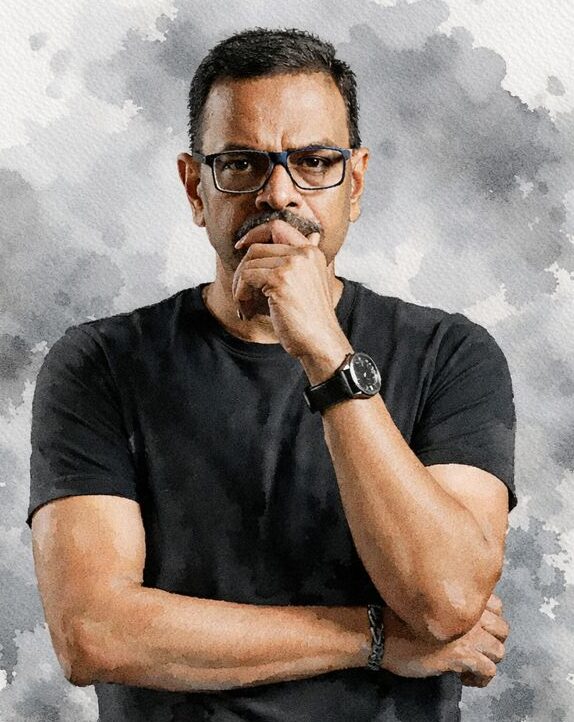 |
T D Rajoo is actively involved in the Indian community through the Tamil Language Society (TLS, NUS), Tamil Language and Cultural Society (TLCS), and Tamils Representative Council (TRC). He is the author of two poetry anthologies published by TLS (NUS) and the National Arts Council (NAC), and has commissioned, supervised, and edited scholarly works. He has a longstanding and focused interest in the Tamil language in Singapore and the Indian community at large. |
Comment on this Topic


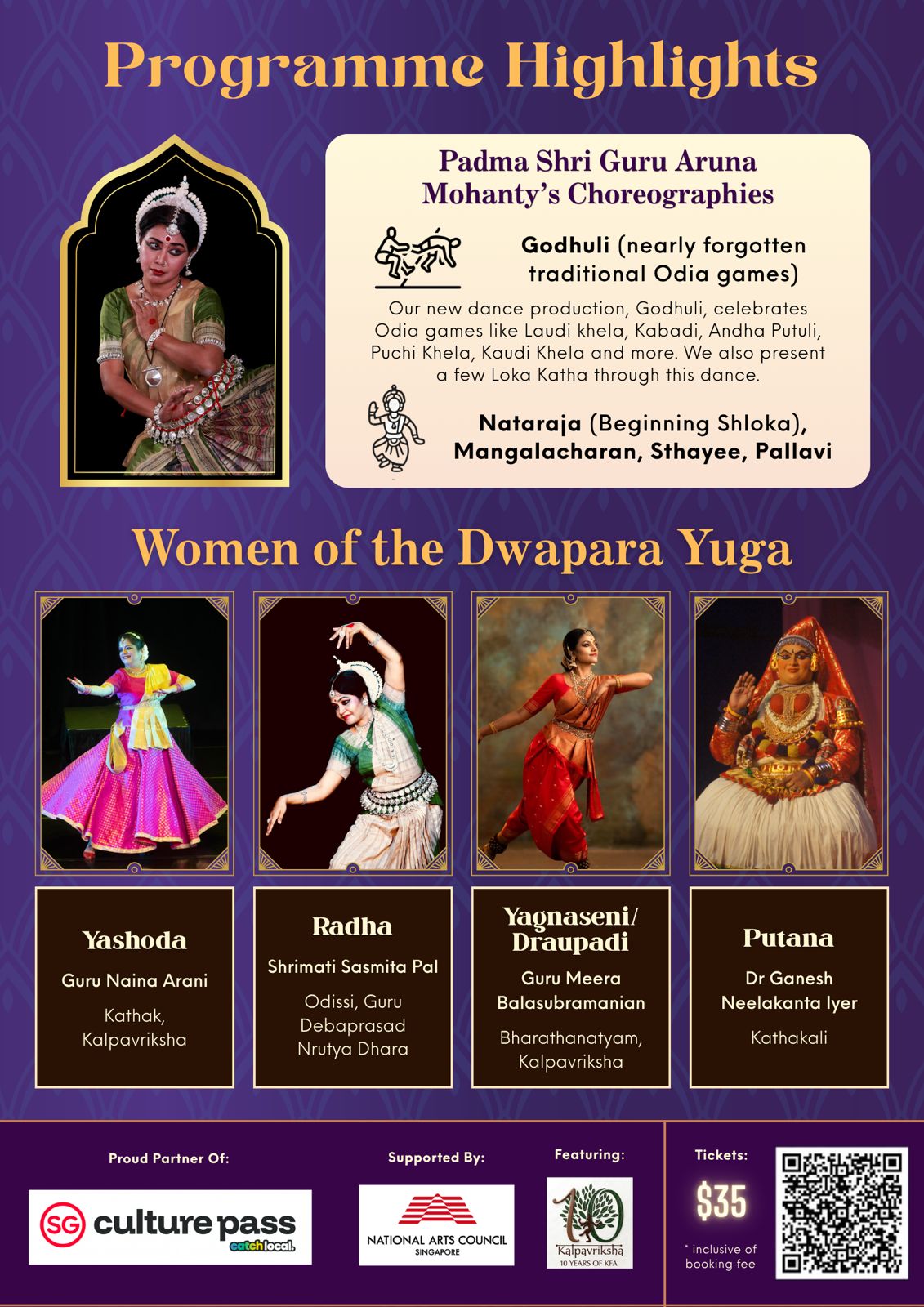
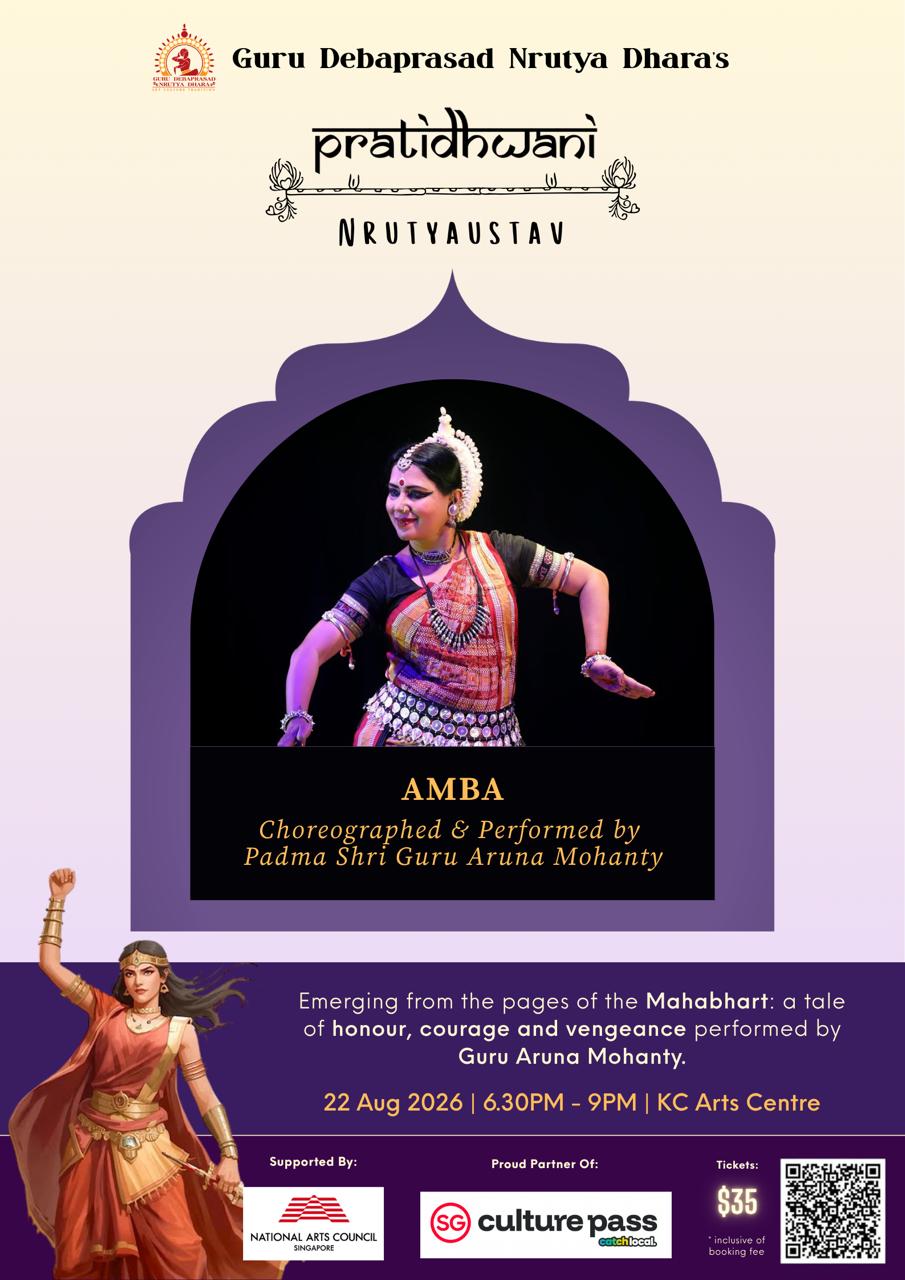



Totally fair point — and I agree with the spirit of what you’re saying.
I think many of us were raised with the idea that “supporting the Indian community” means more — more events, more weekends, more programmes — because visibility feels like survival. But “enough focus” isn’t necessarily about quantity; it’s about quality, coordination, and impact.
If the same audience keeps rotating across overlapping events, we may be staying busy without actually widening participation or strengthening cohesion. Sometimes less, done better — spaced out, collaborative, and more purposeful — creates deeper engagement and draws in people who are currently on the margins (youth, working parents, new citizens, quieter sub-groups).
So yes: the goal isn’t to reduce community life. It’s to design it more strategically, so the energy we already have builds momentum instead of being diluted.
Food for thought. We are socialized to think that we don’t have enough focus on Indian community, but :enough focus” is not necessarily quantity…